
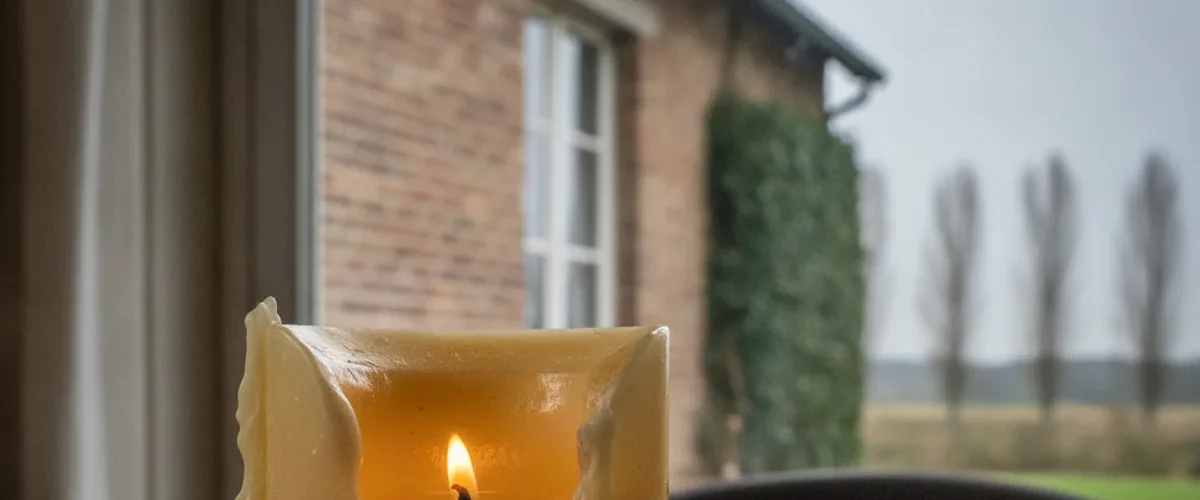
Many people experience disappointment when lighting a new candle only to discover that it burns down the center, leaving thick, untouched wax along the sides. This phenomenon, known as candle tunneling, reduces the lifespan of candles and diminishes their fragrance and visual appeal. Understanding the causes behind this uneven burning can help candle lovers enjoy a longer, more efficient burn while making the most of their favorite scented waxes. Several interrelated factors, from candle composition to the way in which a candle is initially lit, influence this common issue.
What causes a candle to develop a tunnel rather than an even melt pool?
When you notice a candle burning straight down the middle, forming a deep “tunnel” rather than melting across the entire surface, several possible causes may be at play. The most common root causes include improper wick sizing, low-quality wax blends, ignoring burn time recommendations, and environmental factors such as wind drafts or poor placement. Each of these can contribute to an inefficient melt pool, exacerbating tunneling as the candle continues to burn.
While many assume all candles are made equal, the selection and quality of ingredients play a critical role in burn performance. A candle’s wick diameter, the wax used, the mold shape, and even the presence of certain fragrance oils all impact how evenly it melts. High-quality candles are often designed to minimize tunneling, but even premium products can tunnel if not burned correctly. Here are several typical reasons a candle tunnels instead of burning uniformly:
How does wick size influence whether a candle tunnels?
One of the primary reasons candles tunnel can be traced directly to wick selection and placement. Candle manufacturers carefully pair wick=size and type to the vessel’s diameter and the specific wax blend. If the wick is too narrow for the wax pool’s width, the flame will not produce enough heat to melt the wax beyond a small area around the core. This leads to a small liquid pool surrounded by unmelted wax, deepening with further use.
Conversely, an oversized wick may overheat the wax, resulting in sooting and rapid burn-down. Properly sized wicks should, after about two or three hours of burning, melt the entire surface to the container’s edge, maximizing fragrance output and preventing tunnel formation. Wick material—whether cotton, wood, or braided fibers—also affects how heat radiates across the wax’s surface. When selecting new candles, look for those with a wick that appears centered and proportionate to the candle’s width.
Does the first burn really matter?
Many people are surprised to learn that how you burn a candle the very first time determines its performance throughout its usable life. The “memory” of the wax is established during the initial burn. If extinguished too early, before the melted pool reaches the edges, subsequent burns are likely to replicate this pattern, reinforcing a narrow tunnel and wasting wax.
The recommended initial burn duration is usually one hour for each inch of candle diameter. For a three-inch wide candle, this means keeping the flame undisturbed for up to three hours. By following this guideline, you allow the wax to melt all the way to the vessel’s edge, creating a broad, even melt pool. This foundation helps subsequent uses draw upon a full wax layer, rather than a receding tunnel. Some practical tips for the first burn include:
What role does wax composition play in tunneling?
Candle wax is available in various forms such as paraffin, soy, coconut, beeswax, and proprietary blends. Each type has its melting point, scent throw, and burning characteristics. Soy wax, popular for its natural origins and clean burning, sometimes requires a longer or hotter burn to achieve a complete melt pool—especially in larger containers. Paraffin tends to melt more easily but may be blended with harder waxes for structural stability. Some heavy fragrance oils or pigments can also increase the wax’s melting point.
Candles made using harder waxes or high levels of added oils are more likely to tunnel if not properly wicked or if the recommended burn times are not followed. This is particularly true for wide, single-wick jars or novelty candles. Investing in candles from reputable makers, who adjust wick size and placement according to wax blend and vessel diameter, can ensure a more even burn. For more guidance on choosing waxes that reduce waste and improve burn quality, you may find further details through the site references for candle lovers.
Can candle placement and environmental factors impact burning?
The environment in which you burn your candle also plays a significant role in how evenly it melts. Factors such as room temperature, surface material, and air movement can disrupt the distribution of heat inward and outward from the flame. Drafts or breezes from fans, air conditioners, or open windows can direct the heat away from certain areas of the wax, leading to an uneven melt pool and tunnels.
Beneath the candle, a cold surface like glass or uninsulated stone may cause the wax near the vessel’s bottom edge to solidify more quickly than the center, preventing the outer edges from melting completely. Consistent room temperature and stable, flat surfaces support a more even burn. Consider rotating the candle every so often if you suspect uneven air currents or other environmental challenges.
Are there ways to fix or prevent tunneling in candles?
While tunneling is frustrating, it’s not always permanent and can sometimes be corrected with careful intervention. Some widely recommended methods for salvaging a tunneled candle may include warming the outer wax manually or using “candle toppers” to concentrate heat at the surface. However, preventive care and proper burning procedure offer the most effective ways to avoid tunneling altogether. For ongoing candle users seeking to extend candle life and maximize performance, the following strategies may be useful:
If a candle has already formed a pronounced tunnel, some users opt to remove the unmelted wax along the perimeter using a spoon or by carefully draping aluminum foil with a hole for the flame around the candle’s top. This focuses heat, encouraging the outer wax to melt and helping restore a level surface. If your interest in home products extends to best practices and legal aspects regarding usage or labeling, an overview can be found through this section on consumer product regulations for further reading.
Why is avoiding tunneling important for candle lovers?
Preventing candle tunneling is crucial for several reasons beyond aesthetics. Uniformly burning candles extend product longevity, ensuring you get the best value for your purchase. An even melt pool also delivers stronger scent throw because a greater surface area of liquefied wax allows fragrance oils to evaporate and disperse effectively into the air. Incomplete burning not only wastes wax but can also lead to carbon build-up on the wick, further impeding an even flame and adding to maintenance challenges.
In addition, a well-maintained candle increases safety. Tall tunnels may surround the flame with excess wax, which could potentially flood the wick and extinguish the candle, creating smoke and residual soot. Regularly following proper candle care tips supports a cleaner, safer candle-burning experience, enhancing the ambience in your home and making the most of each candle in your collection.