
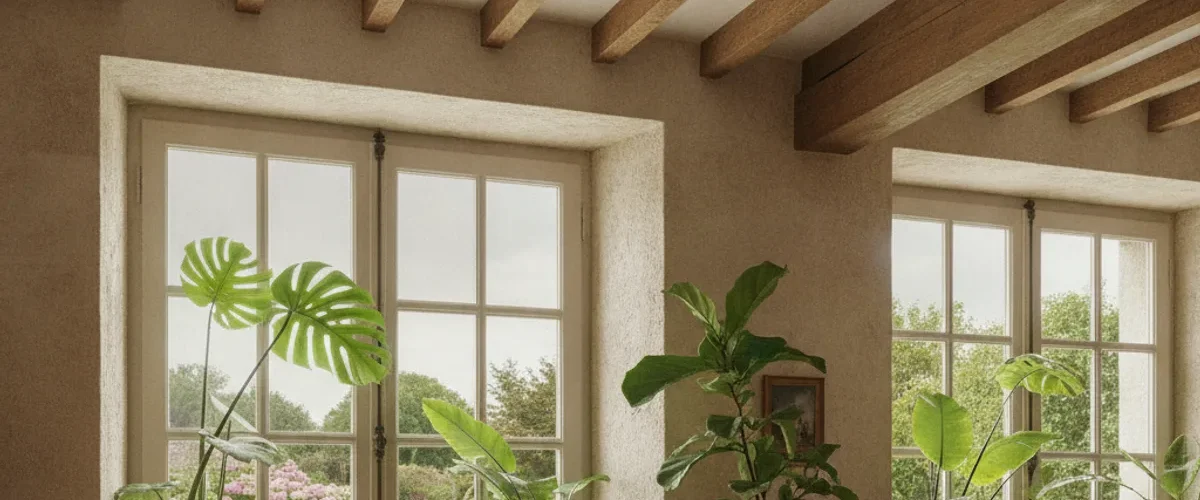
Observant a beloved houseplant over time, many plant owners notice a distinctive phenomenon: the growth appears to tilt or stretch toward the nearest source of light, frequently a window. This behavior, both curious and consistent, captivates houseplant enthusiasts and sparks questions about the mechanisms driving it. Understanding why houseplants exhibit this tendency not only satisfies curiosity but can also enhance indoor gardening success and the overall health of indoor greenery.
What causes houseplants to bend toward the light?
The inclination of houseplants to lean in the direction of a window is rooted in biology, specifically in a process known as phototropism. Phototropism refers to the way a plant responds to light cues, directing its growth toward or away from a light stimulus. This adaptive trait exists because light is vital for photosynthesis—the process by which plants convert sunlight into the energy required for growth and survival. When natural light is stronger on one side, as often happens with windows, plants sense the imbalance and respond accordingly. The key agent in this response is a plant hormone called auxin. This hormone accumulates more heavily on the shaded side of the stem, stimulating cell elongation in that region while the illuminated side grows at a slower pace. The differential growth causes the plant to bend toward the light source, maximizing the surface area of leaves exposed to vital light rays.
How does phototropism benefit indoor plants?
Leaning toward a window is an essential adaptation for indoor plants confined to environments with uneven lighting. The main benefits of this phenomenon include:
For houseplant owners, understanding these benefits underscores the importance of appropriate placement of pots and periodic rotation. When ignored, plants may develop lopsided or sparse growth, resulting in weak stems and lower aesthetic appeal.
Do different types of houseplants react the same way?
Not all houseplants exhibit the same intensity of phototropic response. Some species, such as pothos, ficus, and monstera, are highly sensitive to directional light, often dramatically stretching and even twisting toward the brightest area. Other varieties, like succulents and cacti from arid regions, may show a more subdued reaction, as their native habitats expose them to intense but diffuse sunlight year-round. The degree of leaning also depends on the specific room conditions, pot placement, and the light intensity reaching the window. For maximum success, it’s critical to research individual plant preferences and compare:
This variation enables plant enthusiasts to tailor care routines, rotate plants adequately, and ensure even development over time. It also encourages a diverse selection of species that can adapt to the constraints of modern indoor spaces.
What environmental factors influence houseplant orientation?
Several environmental aspects shape how and why houseplants turn toward the window. Light direction and intensity are foremost, but other elements also play a role:
These factors can vary significantly even in the same household, affecting each plant differently. Monitoring these conditions over time, especially throughout the year, helps in adjusting plant location and orientation. This proactive care prevents excessive leaning, stem breakage, or bottom-leaf drop, all of which signal inadequate light reception.
Can rotating houseplants protect their growth?
Consistent rotation is a practical strategy to counteract pronounced leaning and promote symmetrical forms. Plant owners are encouraged to turn containers 90 degrees every week or two, depending on the observed rate of movement toward the light. This simple habit brings several advantages for staying ahead of phototropic effects:
Neglecting to rotate frequently can result in “bald spots” on shaded sections, weak and leggy growth habits, or the need to stake plants for support. These issues are common in settings with only one light source, such as a north or east-facing window where sun penetration is less intense and growth is more gradual.
How do plant caregivers address extreme leaning?
Some houseplants may grow at an unusually pronounced angle, especially during the darker winter months when natural sunlight is more limited. To address this, houseplant owners may:
Artificial lighting, such as LED grow lamps, provides an efficient supplement during periods of low natural light. It can be particularly advantageous for spaces with small or north-facing windows. Ensuring optimal light conditions year-round allows for robust leaf production and healthier root systems, both critical to plant longevity. Guidance on broader houseplant care topics can often be found in online references like site-wide resources for adaptable gardening.
What are common misconceptions about houseplant movement?
Several persistent misconceptions about houseplant behavior circulate in gardening forums and among casual hobbyists. For example, some believe that “plant personalities” determine whether a particular specimen will lean or not, while others attribute dramatic movement to faulty genetics. Scientific research, however, points to the universal principles of phototropism and the predictable interaction between hormones, stem growth, and light access. Additionally, the misconception that more frequent watering or fertilization will correct lopsided growth diverts attention from the primary need: adequate and balanced light exposure. Developing an informed approach to plant positioning and rotation dispels these myths and leads to substantially healthier indoor gardens.
How does the orientation of the home affect houseplant behavior?
The direction a window faces—north, south, east, or west—influences both the quality and quantity of daylight houseplants receive. South-facing windows admit the most intense sunlight throughout the day, pushing plants to lean quickly unless frequently rotated. East and west exposures provide gentler morning or afternoon rays, requiring attentive observation of growth habits. North-facing windows may result in slow but continuous stretching, since the available light is diffuse and indirect, often necessitating artificial supplementation during winter.
In city apartments and densely built neighborhoods, external factors such as neighboring structures, overhangs, or nearby trees can further impact the type and amount of sunlight plants access. Taking these variables into account allows for strategic placement, maximizing phototropic benefits while limiting undesirable lean.
Summary
Houseplants exhibit a time-honored response to their environment by leaning toward the nearest window, a behavior governed by the need for light to fuel photosynthesis and sustain growth. Understanding and accommodating phototropism, alongside considerations of species type, environmental factors, and good rotational habits, empowers indoor gardeners to achieve lush, thriving plant collections. Recognizing this natural inclination as a functional adaptation deepens appreciation for the living complexity of indoor gardens.