
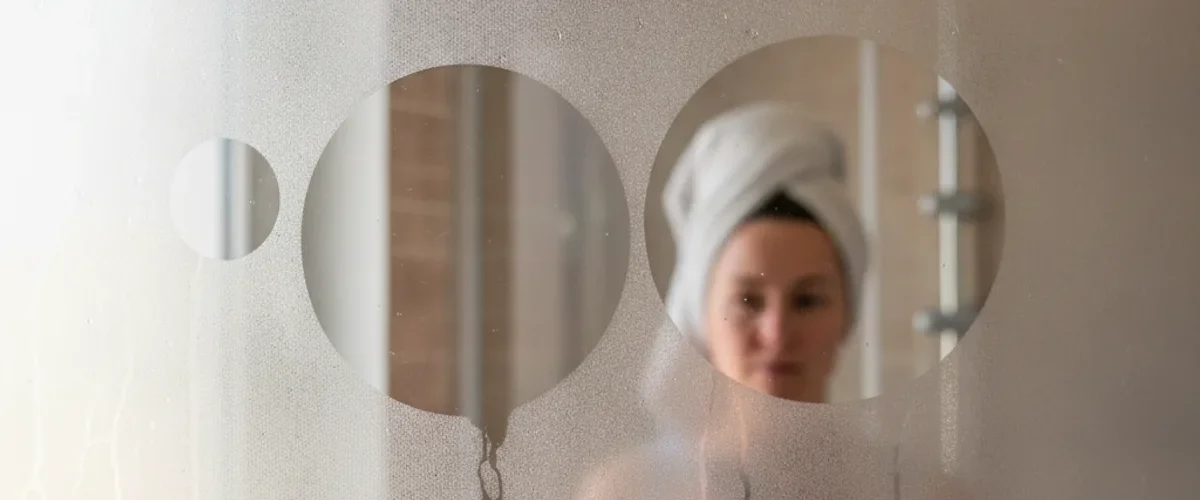
When stepping out of a hot shower or running hot water in the bathroom, it is common to notice that while most of the mirror is covered in condensation, some areas remain clear. This curious phenomenon often leaves homeowners puzzled about the underlying science and the practical reasons for this selective fogging.
What causes condensation to form on mirrors?
As warm, humid air comes into contact with the colder surface of a bathroom mirror, water vapor naturally condenses into tiny droplets, creating a foggy appearance. This process is a physical reaction to the temperature difference, and it follows basic laws of thermodynamics. The rate and extent of clouding depend on several factors that can change with each scenario:
It is important to note that condensation is a normal side effect of high humidity after using hot water, but the way it manifests on a mirror can vary.
Why do only certain areas of the mirror fog up?
Some spots on a mirror remain clear while other sections fog up due to variable surface properties and environmental factors. The variation in fogging can be explained by examining the following:
Each of these elements changes the local properties of the glass, impacting how water droplets form and accumulate.
How do cleaning habits and products influence selective fogging?
Cleaning substances, when not thoroughly removed, can build up over time and leave invisible films on bathroom mirrors. Some commercial and homemade glass cleaners create hydrophobic layers that actively repel moisture. In other cases, using soap, shampoo, or even skin oil can transfer a substance that discourages droplet adhesion in localized spots. As a result, these treated areas often resist fogging, making the affected spots remain clear even as the rest of the glass becomes clouded with mist.
This phenomenon also explains why mirrors that have been wiped with a towel after a shower also display clean patches — the towel may remove condensation and deposit residue that inhibits water buildup, creating temporary fog-free zones. The more regularly these habits occur, the more pronounced the selective condensation effect becomes over time.
Can physical damage or aging affect how mirrors fog?
Another factor to consider is the physical condition and age of the mirror. Microcracks, surface wear, and natural degradation of the glass can impact how condensation forms. In some cases, older mirrors or those exposed to harsh cleaning agents for extended periods develop uneven porosity or etching on their surfaces, which becomes apparent when fogging does not occur uniformly. The frame or backing material can also break down and conduct temperature differently, further influencing condensation patterns.
Households may notice that mirrors in high-traffic or well-used bathrooms fog differently compared to those in guest baths, emphasizing the role of surface health in moisture distribution. Attention to the longevity of materials and gentle cleaning techniques can help minimize this effect.
Does mirror installation or positioning impact fogging patterns?
How and where a mirror is installed significantly affects the way water vapor condenses on its surface. Proximity to heat sources, such as bathroom radiators or heated towel rails, can keep certain areas of the mirror warmer than others, resulting in clear spots. Mirrors that are mounted flush against an exterior wall may be cooler, especially during colder months, promoting more fogging in those areas.
If your bathroom has an exhaust fan or specific airflow direction from a window or vent, areas constantly exposed to moving air will generally dry or remain unfogged. Some modern homes even include heated mirror pads or demisting technology that keeps select sections fog-free for convenience.
What are practical solutions to reduce or prevent selective fogging?
Mitigating mirror fogging requires addressing the underlying causes related to humidity, airflow, and temperature. To achieve a consistently clear mirror or reduce patchy condensation, consider the following approaches:
Routine maintenance and attention to cleaning methods can greatly improve both the look and functionality of bathroom mirrors. To understand more about property maintenance or discover further home care insights, learning from comprehensive resources such as an organized guide to site topics can be valuable.
What distinguishes selective fogging on mirrors from similar moisture issues?
The sporadic nature of mirror fogging sets it apart from other forms of bathroom moisture problems such as window condensation or persistent mildew. While the fundamental principle is the same—moisture in humid air condenses on cooler surfaces—the subtle temperature differences and unique surface treatments on mirrors mean selective fogging is usually harmless and easily managed.
Other surfaces like tiles, glass shower screens, or painted walls might show moisture build-up differently, often with wider implications for mold or structural concerns. By contrast, mirrors simply reveal invisible differences in cleaning or environmental effects, turning episodes of patchy fog into indicators of past interactions with the glass.
If you are interested in understanding more about household materials and moisture management, exploring reliable information from established sources such as a reputable home news platform can enhance your knowledge about preventative actions and smart home solutions.
The next time you notice clear segments on a fogged-up bathroom mirror, remember that these patterns are silent witnesses to subtle variations in temperature, air movement, and even your cleaning routine. Developing the right maintenance habits not only ensures a clearer reflection but also extends the life and performance of your bathroom fixtures.