
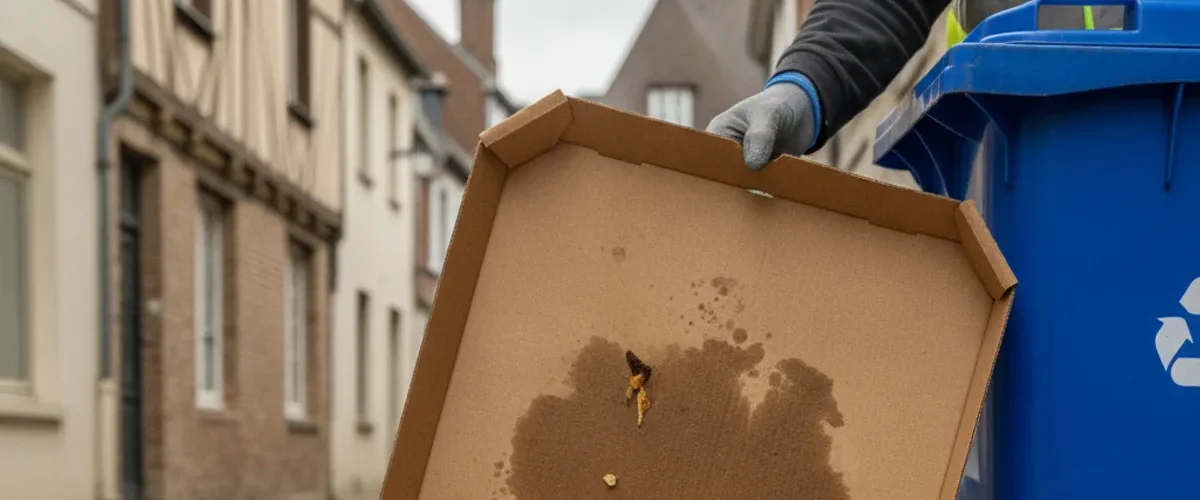
Each year, millions of pizza boxes make their way from your local pizzeria to the household recycling bin. The question of whether pizza boxes contaminated with grease can actually be processed for recycling remains a source of confusion for many people. Navigating recycling guidelines, understanding the impact of food residues, and learning about new industry initiatives are crucial for making sustainable decisions about waste management.
Why does grease matter in pizza box recycling?
Cardboard is generally considered a recyclable material, but pizza boxes often complicate that process. The main challenge is the greasy residues left behind after a delicious meal. When pizza oil or melted cheese seeps into the fibres of the cardboard, it adversely affects the entire recycling stream. During the pulping process, water separates paper fibres, but oil and organic matter prevent fibres from bonding correctly, which can degrade the quality of the recycled paper products. In some recycling plants, the presence of greasy boxes can result in batches of cardboard being discarded entirely, reducing recycling effectiveness.
This widespread issue sparks debates between consumers trying to do their part and recycling facilities striving to maintain high-quality output. It’s important to differentiate between a barely-soiled box and one completely soaked in oil.
How do recycling programs handle contaminated pizza boxes?
Recycling programs across regions often have varying regulations for handling pizza boxes. Some municipalities accept lightly greased boxes, while others strictly reject any cardboard with noticeable food stains. The decision often depends on the capabilities of local materials recovery facilities (MRFs) and the specific criteria of paper mills where the recycled pulp is processed. As a general guideline, you can:
There have been recent advances in recycling technologies that allow for more efficient handling of mildly contaminated cardboard, yet the critical advice remains: when in doubt, keep heavily soiled sections out of the standard recycling stream. To explore broader topics and check reliable local recycling resources, readers may visit this general overview of site topics related to community guidelines.
Can composting be an alternative to recycling greasy pizza boxes?
For those committed to zero waste lifestyles, composting represents a practical and effective alternative for disposing of greasy pizza boxes. When processed in home compost bins or commercial composting facilities, greasy cardboard breaks down with organic matter, turning into valuable soil amendments. However, not all boxes can enter the compost pile; non-biodegradable elements like plastic linings or stickers must be removed beforehand. Cardboard acts as a carbon-rich “brown” material, essential for balancing “green” food scraps like vegetable peels.
Best practices to prepare pizza boxes for composting include:
Municipal composting programs are increasingly able to process food-soiled paper products, helping divert millions of tonnes of waste from landfills. Home composting remains a simple and rewarding method for reducing household waste, making a significant positive impact on both the local and global environment.
Do innovations in recycling reduce the impact of grease contamination?
With growing environmental pressure to divert paper products from landfill, the recycling industry continues to find innovative solutions to the grease contamination problem. Some advanced facilities can now separate oils from pulp using flotation technologies and improved filtration equipment, allowing a greater proportion of lightly soiled boxes to be recycled. In addition, public education campaigns aim to raise awareness on proper recycling etiquette, encouraging consumers to check boxes for excessive grease and remove non-cardboard materials.
Industry leaders are also exploring alternative materials and new packaging designs. Pizza chains experiment with absorbent liners or bio-based coatings that minimize grease seepage into the cardboard. Some research groups investigate enzymes and bio-friendly solvents that break up residual oils during the pulping process, expanding the capacity to recycle once-rejected boxes. While these advancements are promising, they remain unevenly distributed and heavily dependent on regional investment in waste management infrastructure.
What steps can consumers take to ensure better recycling?
Making the right choices at home can greatly support the recycling process and increase the likelihood that pizza boxes are properly processed. By following simple steps and remaining informed, individuals can make a measurable contribution to waste reduction and the creation of high-quality recycled products. Useful consumer actions include:
Engagement in municipal educational programs or community recycling initiatives can foster a culture of responsible waste disposal. For more comprehensive site policies and regulatory frameworks related to responsible information sharing and local guidelines, readers can access further institutional and policy information here.
How will the future of pizza box recycling evolve?
The landscape of pizza box recycling is shifting as both public demand and regulatory pressure motivate industry stakeholders to adopt advanced solutions. Collaboration among manufacturers, recycling plants, and municipal authorities is essential to standardize practices and embrace technology that accommodates minor contamination. Pilot programs in several metropolitan areas reveal that clearer sorting guidelines and targeted investments in plant upgrades can yield higher recycling rates for food-soiled cardboard. As more research leads to scalable, cost-effective methods, greasy pizza boxes are likely to move from a recycling challenge to an opportunity for integrated waste management systems. Informed consumers and responsive cities will play a critical role in driving innovation, ultimately ensuring that this familiar piece of packaging finds new life as recycled products or renewable compost rather than ending up in landfill.