
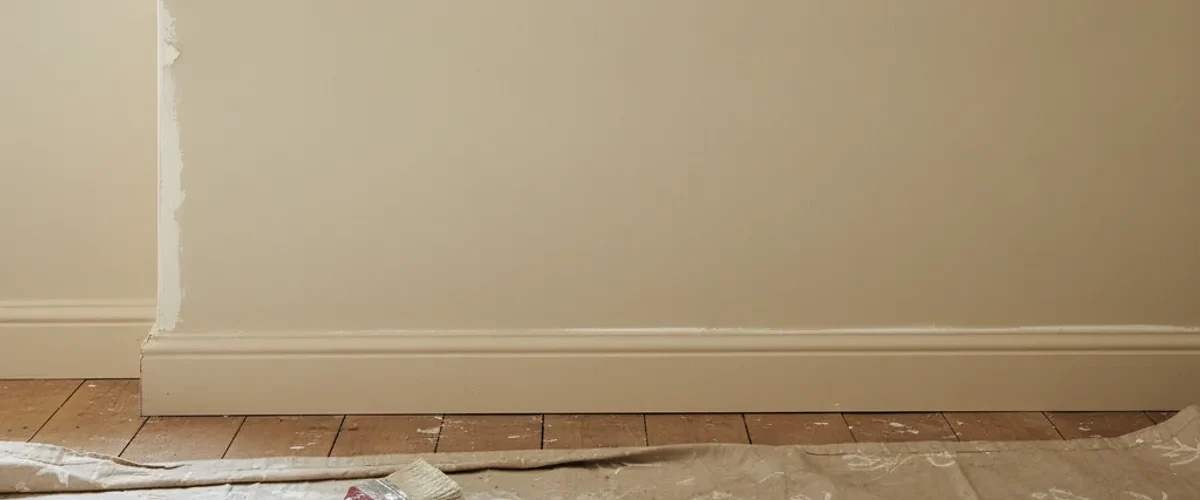
Painting over a wallpaper border without removing it is a question that arises frequently among homeowners seeking a swift and efficient way to refresh their interior decor. Rather than face the challenge of peeling, scraping, and possibly damaging walls, many look for alternatives that are less labor-intensive while still achieving visually pleasing results. Understanding the feasibility, benefits, and potential drawbacks of painting directly over a wallpaper border can help determine if this option is right for your project.
Is Painting Over a Wallpaper Border Feasible?
Many people wonder if applying paint directly over a wallpaper border is possible without causing immediate or long-term issues. Generally, it is technically possible to paint over wallpaper borders, but several critical factors influence the success of this option. The condition of the existing border, the adhesive’s integrity, and the type of paint chosen all impact the outcome. Preparation is crucial because poorly prepared surfaces can lead to peeling, bubbling, or an uneven texture after painting.
When considering painting over a wallpaper border, evaluate these aspects:
While painting over wallpaper border can revitalize a room efficiently, these surface considerations should always guide your decision.
What Are the Required Preparation Steps?
Preparing the wallpaper border prior to painting is arguably the most vital phase for a successful finish. Neglecting preparation can result in visible seams, peeling paint, or a compromised appearance. Follow these steps for thorough pre-paint preparation:
These process steps establish a foundation for the paint to adhere correctly, reducing the probability of future problems. For readers seeking further tips on home improvements and wall treatments, you can find valuable resources by exploring additional home maintenance guides on the sitemap of this site.
Which Paints and Primers Are Suitable?
Choosing the best paint and primer for this unique task is a subject often misunderstood. Not every product is appropriate for use over wallpaper borders. Ideally, opt for a stain-blocking primer that can lock in any potential discoloration or glue stains. Water-based primers work well for most applications, while oil-based or shellac-based primers are well-suited for challenging stains or when dealing with vinyl wallpaper materials.
After priming, select a quality latex or acrylic paint in a finish that meets your room’s requirements. Matte and eggshell finishes help disguise imperfections, whereas gloss finishes may accentuate any underlying texture from the border. Always allow the primer to cure fully before applying the paint coats.
Are There Risks Associated With Painting Over Wallpaper Border?
Although painting over a wallpaper border is usually successful when done carefully, there are some potential risks to consider. The main issues stem from inadequate preparation or poor-quality materials. Common complications include peeling or blistering of the paint if the border is not securely attached, visible seams and textures that are accentuated rather than concealed, and stain or adhesive bleed-through that mars the final appearance. Additionally, future removal may be complicated, as painted-over borders can be tougher to strip than unpainted ones.
Addressing these challenges starts with vigilant surface inspection and using the right products, as previously detailed. When in doubt, consulting a professional painter or decorator can provide confidence and clarity for more complex projects.
How Does Painting Over a Border Compare to Removal?
For many, the main concern is whether painting over a wallpaper border is preferable to removing it entirely. Each approach brings distinct pros and cons. Removal creates a clean slate and is ideal for a flawless wall finish but involves significant manual effort and potential damage to drywall. In contrast, painting takes less time and is less invasive but may not completely conceal imperfections or the underlying pattern.
Here is a comparison of the two methods:
Ultimately, the decision between removal and painting hinges on the border’s condition, the homeowner’s tolerance for imperfection, and the project’s long-term intentions.
What Professional Tips Improve Paint Over Wallpaper Border Results?
Some professionals recommend several techniques to enhance the end result when painting over a wallpaper border. Prioritize meticulous preparation: sand and clean the border thoroughly, use a primer designed for stain-blocking and adhesion, and choose a paint finish that hides minor imperfections. For trickier borders with raised patterns, applying a skim coat of joint compound can help achieve a smoother surface before priming and painting. When cutting-in or edging, use high-quality painter’s tape to ensure sharp lines and prevent paint bleed. Consider applying two thin topcoats rather than one thick layer for a more even, durable finish. For those interested in additional legal information or guidance related to home renovation practices and responsibilities, visiting the notice covering legal aspects of renovation and property improvements is highly recommended.
Why Might Painting Not Be the Best Solution?
While painting over a wallpaper border is a convenient option, there are cases where it might not be the appropriate choice. Severely damaged, peeling, or heavily textured borders can undermine the paint’s appearance and durability. High-moisture areas, such as kitchens or bathrooms, can contribute to paint or border failure over time. Also, if a seamless and unblemished finish is essential for the room’s design, complete border removal and surface repair should be considered instead. Proper assessment of the border’s integrity and consultation with a painting professional can inform the best path forward for each unique space.