
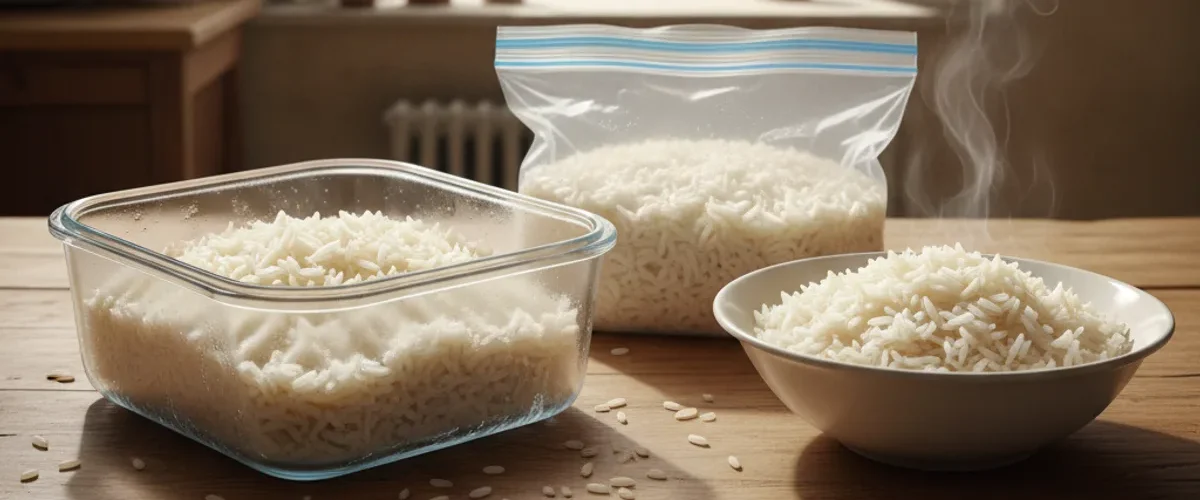
Freezing cooked rice provides a practical solution to reduce waste and manage leftovers efficiently in modern kitchens. Many individuals prepare rice in large batches for convenience or meal prep, leading to questions about storage methods and food safety when considering freezing rice more than once. While convenient, this practice comes with important caveats to ensure both the quality and safety of the rice when it is eventually consumed.
What are the risks associated with repeatedly freezing cooked rice?
One of the primary concerns with freezing and refreezing cooked rice revolves around foodborne illnesses caused by bacteria such as Bacillus cereus. This bacterium, commonly present in rice, can survive cooking and multiply rapidly if the rice is left at room temperature for extended periods. Each time the rice undergoes a cycle of freezing, thawing, and possible reheating, the environment may briefly allow this and other bacteria to proliferate, increasing the risk of food poisoning. The safety of refreezing is determined largely by handling practices and the storage temperature at each stage.
How does texture and flavor change when rice is frozen more than once?
Refreezing cooked rice can significantly impact its culinary qualities. Ice crystals formed during the freezing process disrupt the tender structure of cooked grains. With secondary freezing, these changes are exacerbated, often resulting in a drier, mushier, or sometimes gummy texture after reheating. Flavors may also become muted or altered due to repeated temperature changes, which can degrade some aromatic compounds in rice or in added seasonings and ingredients.
Is it ever safe to refreeze cooked rice?
While it is technically possible to refreeze cooked rice, safety and palatability depend on very strict adherence to food safety protocols. Consider the following steps essential:
What about the nutritional value of rice after multiple freezes?
Repeated freezing does not greatly impact the core macronutrients such as carbohydrates, proteins, or fats in rice. However, the micronutrient content may deteriorate slightly, particularly the B vitamins, which are sensitive to temperature fluctuations and repeated heating. There may also be a loss of some antioxidants or naturally occurring beneficial compounds, especially if the rice was cooked with vegetables or spices initially.
Which types of rice and rice dishes withstand refreezing better?
Some rice varieties and preparations are more resilient than others to the rigors of multiple freezing cycles. For example:
Storing any rice dish in airtight containers, at consistent freezer temperatures, is critical for best results.
How can portioning help reduce the need for refreezing?
To mitigate the problems associated with refreezing cooked rice, strategic portioning when initially freezing can be highly beneficial. By dividing fresh, cooked rice into individual or meal-sized portions before freezing:
Pre-labeled and dated containers can help track how long rice has been stored and ensure it is consumed within a safe window—typically one to two months for optimal taste and quality.
Are there alternatives to refreezing for extending the shelf life of rice?
If you find yourself frequently managing large amounts of leftover rice, several alternatives exist to avoid the quality issues and safety risks of repeated freezing:
Following stringent food storage and handling guidelines aids not only in maximizing shelf life but also in minimizing food waste and associated health risks.
For readers interested in wider food safety or preservation issues beyond rice specifically, additional guidance can be found on the comprehensive sitemap for related food tips and resources.
What are the recommendations according to global food safety standards?
Numerous food safety organizations, including the United States Department of Agriculture (USDA) and Food Standards Agency (FSA), highlight caution with any cooked food that is repeatedly frozen and thawed. The key recommendations include:
Public health bodies consistently stress that reheated rice—particularly if it has been frozen more than once—must be heated thoroughly and consumed quickly. If there is any uncertainty about the integrity or storage history of rice, it is safer to discard it rather than risk foodborne illness.
In conclusion, while it is possible to freeze cooked rice more than once under strict and controlled conditions, this is not the preferred or safest method for preserving cooked rice. The risks of texture loss, flavor degradation, and bacterial contamination increase with every cycle of freezing and thawing. Careful portioning, rapid cooling, and adhering to recognized food safety practices are best to ensure both the enjoyment and safety of every serving of cooked rice. For further reading on food management techniques and site policies, the legal notice page offers information about responsible food content.